
The early days of 2022 was a peak period for tech companies. Massive hiring sprees, large salaries, and the belief in all things digitalisation made a career in a tech company highly lucrative and appealing.
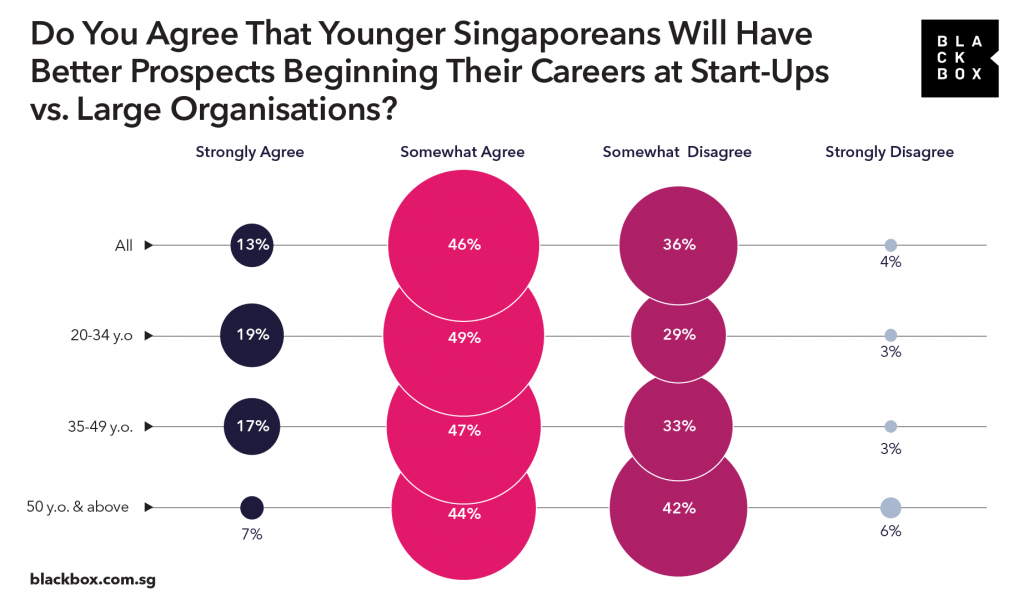
Tech-related programmes have also become increasingly popular among students. In Summer 2022 alone, over 10 million Chinese graduates graduated from tech-related courses in Chinese universities. Even in Blackbox’s mid-year poll in 2022, nearly 3 in 5 respondents (59%) believed that younger Singaporeans will have better employment prospects in start-ups rather than at typical large companies. Unsurprisingly, many of these start-ups were popular since they were also tech companies.
Yet, the tide seems to be turning for tech companies. Bereft of accessible venture capital, a lack of sustainable and profitable business models, rising inflation and the slow recovery of the global supply chain for electronic components, tech companies have been accruing massive losses and with it, massive layoffs as well. Over 24,000 workers lost their jobs in 2022, with 2023 not looking any better as layoff season continues.

Losing Profits and Investor Confidence
Most tech companies have attributed these massive layoffs on two major factors, over-hiring during the pandemic years and the current macroeconomic conditions that have curbed consumer spending and accessibility to investor funds.
In the initial periods of the Covid-19 pandemic, nationwide lockdowns increased the demand for digitalised services. Consumers’ lives pivoted to the digital realm. This marked a boom for companies such as Grab and Uber (food delivery), Shopee (online shopping) as well as Netflix (entertainment streaming).
However, as countries move towards normalcy, the demand for digital services is not as intense as it once was. Tech companies are no longer seeing the large scale demands for their digitalised services. With revenues impacted, tech companies simply do not have the means to afford their burgeoning headcounts.
The lockdowns had also reduced the ability for consumers to spend as well. With fewer avenues for expenditure, some consumers picked up on the trend of investing their monies. The 2020-2022 period was marked by financial events such as GameStop’s “to the moon/diamond hands” trend, cryptocurrencies being a speculative asset, and stock markets filled with retail investors. These investment monies eventually made their way into the tech companies, seen as promising investments for the future. Some investors believed these prospective tech companies could emulate the past success of Microsoft, Apple or IBM.
But as economic conditions worsen with inflation being a key theme of 2022-23, both expenditure on digitalised services and investment funds for tech companies to tap on are drying out. Consumers are now in survival mode while investors are less convinced by the shaky profitability models of tech companies. In fact, several cryptocurrency companies have gone under as investors lose confidence with tech companies.
Beyond the obvious reasons
There are individual peculiarities with some tech companies that have led to layoffs as well. Meta’s pivot into the metaverse has redirected valuable internal resources from Meta’s day-to-day revenue streams into a technology with little output but significant losses. Unconvinced investors who have yet to see a viable metaverse that the company has touted are unwilling to invest.
Twitter, meanwhile, has undergone major leadership and workplace culture changes with the arrival of Elon Musk. The billionaire’s takeover resulted in massive layoffs, loss of key senior staff, and introduced more uncertainty into the social media platform’s business model. As for Google, it’s decision to layoff 12,000 of its employees has been defended by CEO Sundar Pichai as necessary to “prevent much worse issues”.
As layoffs continue to persist into 2023, there is real concern that the trust between employers and employees will only worsen. Existing trends such as remote working already reduce contact and thus the trust between the two groups. If such layoff trends continue, employees will increasingly feel less valued and replaceable
While the future is still very much “tech”, it appears that tech companies need to find new business models and organisational structures to continue attracting the best and brightest and be commercially viable. To find out how tech companies can pivot to a better business model and work culture to provide the digitalised services consumers need today, get in touch with us at connect@blackbox.com.sg.
Author: Blackbox Research Team
Comments