
[Cover Image by Ronald Lim]
News outlets, conversations on the streets, and discussions in meeting rooms all have one thing in common today: soaring prices. Inflationary pressures have impacted virtually every aspect of Singaporeans’ lives. While inflation has been attributed to China’s faltering economy and domestic issues, the rise in US’ interest rates, and the ongoing Russia-Ukraine war, these reasons matter little to the everyday Singaporean.
Doom and gloom dominate local sentiments
Singaporeans have been clamouring for new policies to address the inflationary concerns. However, they have been met with a series of policies and messages that have perplexed many given the current economic climate.
The upcoming GST rise in January 2023 and 2024 has abetted some businesses to raise prices, leading to the government announcing measures to combat opportunistic business owners. While Singaporeans are aware of the necessity of the GST hikes, many have wondered if the timing is appropriate given the current situation.

The newly introduced One-Pass permit, meant to draw the best international talent, has drawn more ire from Singaporeans who wonder why a policy that has been perceived as disadvantageous to locals and not having contributed much to Singapore’s economy is getting a rebrand.
Singaporeans have been repeatedly warned about a potential upcoming recession as global economic powerhouses falter due to COVID-19, the exorbitant fiscal expenditure, and uncertainties in the global supply chain.
Many Singaporeans are also left confused as wages stagnate. Some have pointed out that jobs being offered today pay less compared to pre-pandemic days. This has also fuelled a phenomenon among younger Singaporeans of job-hopping and quiet-quitting. Blocked off from salary increases and promotions in companies, younger Singaporeans have started job-hopping to find new opportunities for growth or have started rejecting the hustle life since neither does it pay well, nor does it lead to good outcomes.
Singaporeans have also noticed the wave of wealthy individuals leaving troubled places such as Hong Kong entering Singapore and purchasing private residential and commercial properties. While not direct, the sale of these properties has had ripple effects on HDB flats, already deemed by many to be unaffordable, and on day-to-day expenses. The reported S$10,000/month rental rates for coffee shops have sparked both anger and memes among locals.

The middle class factor cannot be ignored
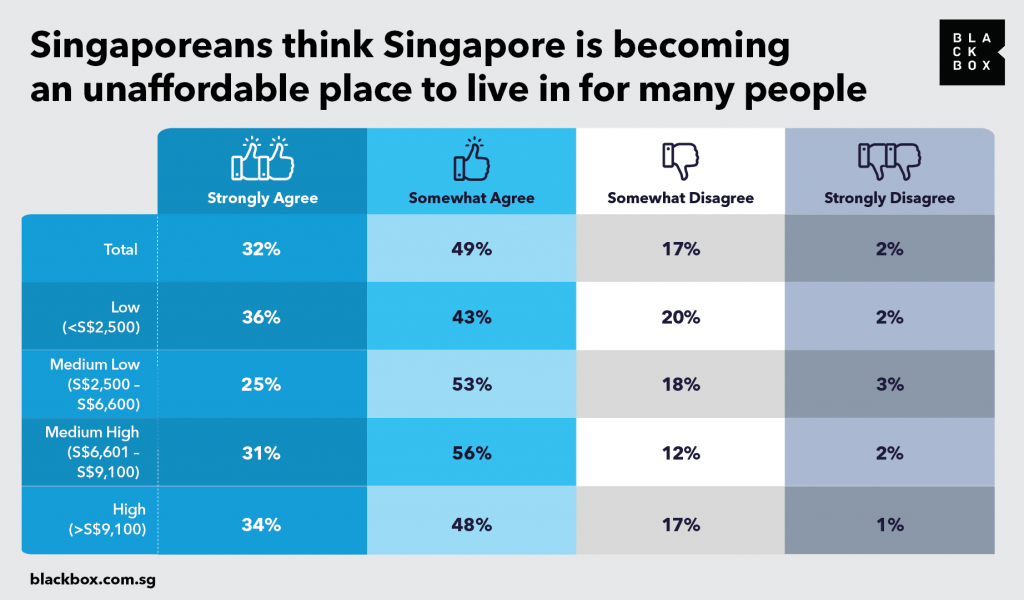
The deluge of gloomy events and sentiments paints a bleak picture for Singapore’s future. One of the major concerns moving forward is the effect of these economic mishaps on younger Singaporeans and the middle-class. There have been reports that millennials and Gen Z will have a lower standard of living compared to their predecessors, an unfortunate first in modern history.

Increases in housing prices and the Certificate of Entitlement (COE) for cars for example, while not included in Singapore’s core inflation measurements, is included in a family’s budget and it is hurting the middle or sandwich class who have a multitude of responsibilities towards their ageing parents and children.
What the Singapore Government is doing
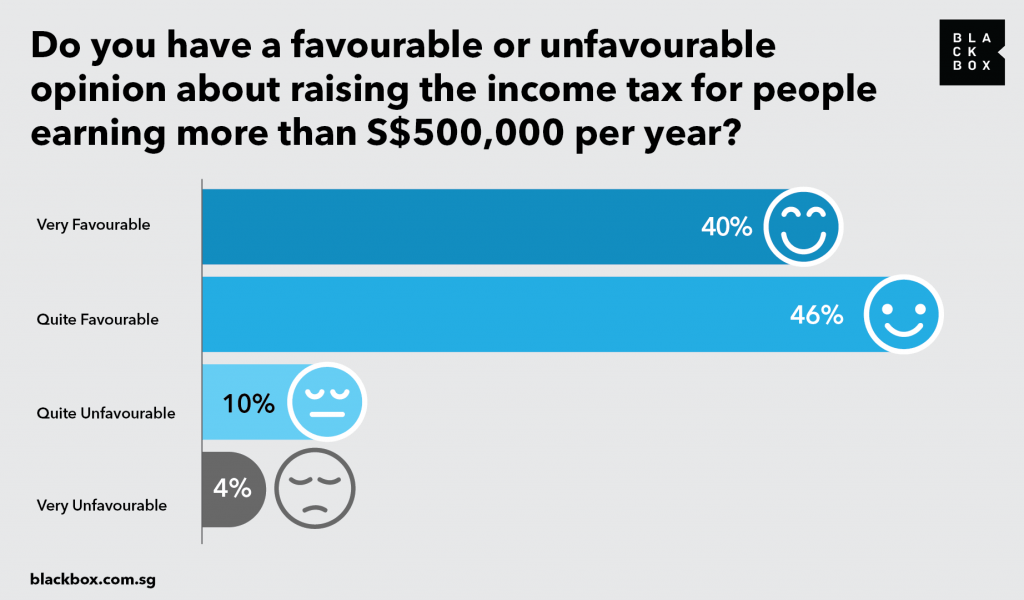
The Government is not oblivious to the approaching storm. Government transfers such as GST Vouchers are used to address regressive GST taxes in the city-state. The government has also announced increases in personal income tax for individuals earning more than S$500,000 per annum, a move viewed favourably by many Singaporeans.
Perhaps more needs to be done to communicate the value of policies and how the government is addressing Singaporeans’ concerns on inflation and its uneven effects, especially on younger Singaporeans and the middle-class. The One-Pass permit, for example, has clear advantages in bringing in top talent to create new and rewarding economic opportunities for Singaporeans. However, announcing another scheme targeted at foreign nationals during a time of economic uncertainty will understandably result in scorn amongst Singaporeans.
One of the newest initiatives led by Deputy Prime Minister Lawrence Wong is Forward Singapore, an important consultative conversation to update the social compact between the Government and Singaporeans. Ideas such as work-life balance, mental health, and environmental sustainability have gained traction among Singaporeans today. GDP is no longer enough. The Government needs to actively and genuinely listen to Singaporeans and Forward Singapore is a potential first step if done correctly.
In an ever-changing political and social landscape, it can be hard to keep track of the latest developments. To understand these developments and how they might affect your business, get in touch with us at connect@blackbox.com.sg
Author: Blackbox Research Team
Comments